
I’m Losing Clients Because I’m Too Slow to Follow Up
It’s the email every professional dreads. You open your inbox to find a message from a valuable client that starts with: "Hi, just following up on my email from Tuesday... any update on this?"
Your heart sinks. You haven't forgotten the work, but you’ve been so buried in the day-to-day delivery that the "update" email slipped through the cracks. Now, instead of looking like the expert they hired, you look disorganized. You’re no longer leading the project; you’re reacting to it.

For UK consultants and service providers, "Follow-Up Friction" is a major cause of client churn. Clients don't just pay for your results; they pay for the peace of mind that comes with knowing their project is in safe hands. When they have to nudge you, that peace of mind disappears.
In this guide, we’ll look at how to stop the "nudge" cycle and start being proactive.
The Reputation Tax of Slow Communication
In business, speed is often equated with competence. When you are slow to follow up, the client begins to fill the silence with their own narrative:
"Are they too busy for me?"
"Have they lost my files?"
"Am I still a priority?"
The "Reputation Tax" is high. Even if your final work is brilliant, the stress the client felt waiting for an update will be what they remember when it’s time to renew your contract or refer you to a friend.
3 Signs Your Follow-Up System is Failing
Are you losing the trust of your clients one "nudge" at a time? Watch for these red flags:
1. The "I’ll Do It Tomorrow" Trap
You read an enquiry or a request and decide to handle it when you have "more time." Because that time never comes, the client is left in the dark for days, turning a simple task into a major frustration.
2. You Only Communicate When There's a Problem
If the only time your clients hear from you is when you need something or when something has gone wrong, they will start to associate your name in their inbox with "stress."
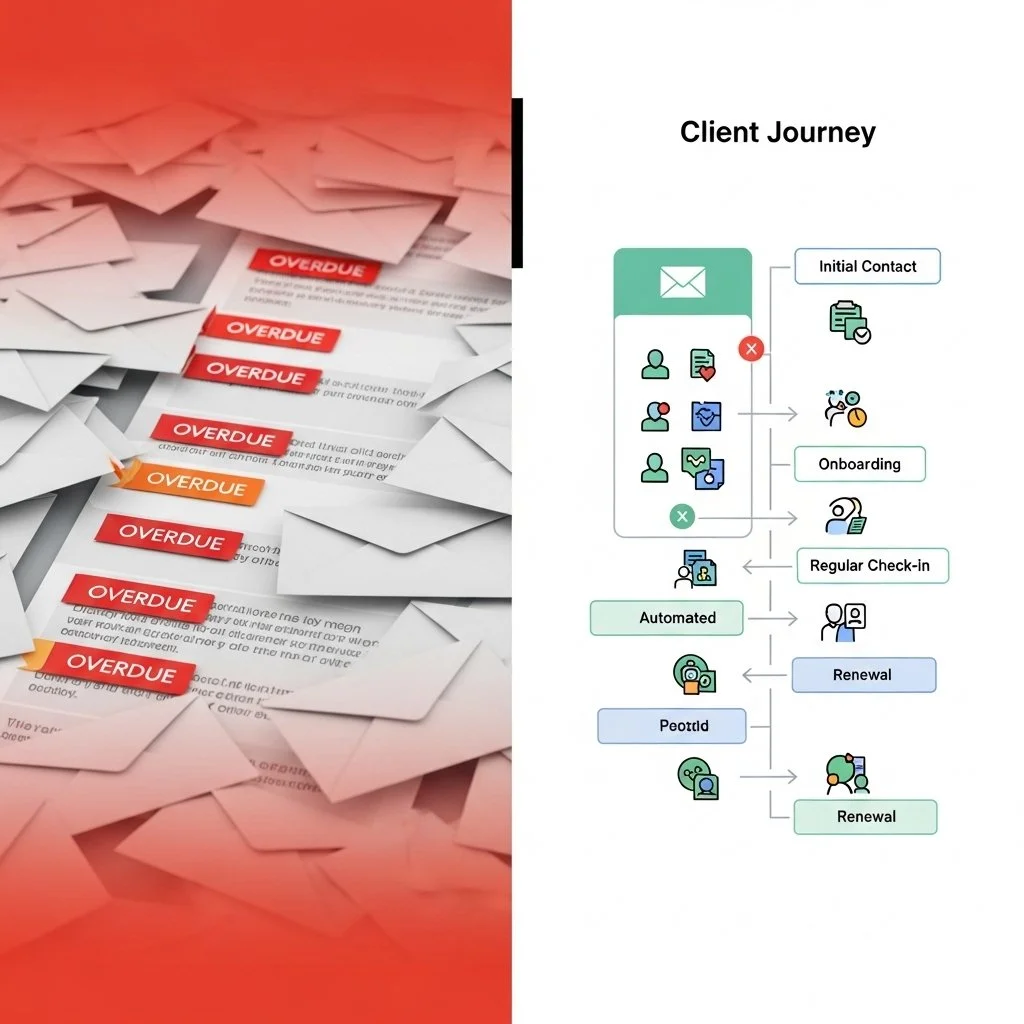
3. Your Client is Your Project Manager
If your client is the one keeping track of deadlines and asking you for status reports, you have switched roles. They are now managing you, and they aren't going to pay a premium for that experience for long.
4 Practical Steps to Become Proactive Today
You can start rebuilding client trust today by implementing these communication habits:
1. The "End of Day" Update
Even if a project isn't finished, send a 30-second email at the end of the day or week: "Just a quick note to say we’re 60% through the report and on track for Tuesday." This eliminates the need for the client to ask.
2. Use a "Waiting For" Folder
Create a folder in your inbox for emails that require a follow-up from others. Check this daily. Being the one who chases the supplier before the client has to ask makes you look like a hero.
3. Standardise Your Onboarding
Create a "Welcome" sequence that tells the client exactly when they will hear from you. If you tell them to expect an update every Thursday, they won't feel the need to email you on Wednesday.
4. Hire a Coordinator
The most effective way to stay ahead of client expectations is to have someone whose entire job is to keep the wheels turning. A VA can manage the "loop-closing" so you can stay in the "work-doing."

How a VA Keeps You Ahead of the "Nudge"
A Virtual Assistant (VA) doesn't just "reply to emails"; they act as your Project Coordinator. They ensure the client feels cared for and informed, often before the client even realizes they wanted an update.
A smart partner helps by:
The "Zero-Nudge" Inbox: They monitor your project emails and provide instant acknowledgments. Even a "We've received this and are working on it" buys you 48 hours of goodwill.
Proactive Status Reports: They manage your project board and send out scheduled updates to your clients, ensuring your "Reputation for Responsiveness" stays intact.
Document Chasing: They handle the back-and-forth of collecting files and signatures, so the project never stalls because of a "missing attachment."
Calendar Alignment: They ensure your bookkeeping, meetings, and deadlines are all synced, so you never over-promise and under-deliver.
Conclusion: Lead the Conversation, Keep the Client
You are an expert in your field, but if your communication is slow, your expertise is hidden behind a wall of frustration. By moving to a proactive coordination model, you stop being a "service provider" and start being a "trusted partner."
Ready to Stop the Client Nudges?
Don't let slow follow-ups kill your growth. Let us manage your project coordination and client communication so you can focus on the results. We provide high-level VA support for UK professionals who are ready to be proactive.
Contact Griffiths SBS today to find out how we can keep your clients informed and your reputation glowing!
