
The Small Business Guide to Claiming Business Expenses: The Stress-Free Way
If you’re running a small business in the UK, you’ve likely heard the phrase "just put it through the business." But for many entrepreneurs, managing receipts and understanding what counts as a valid business expense feels like a never-ending game of paperwork.
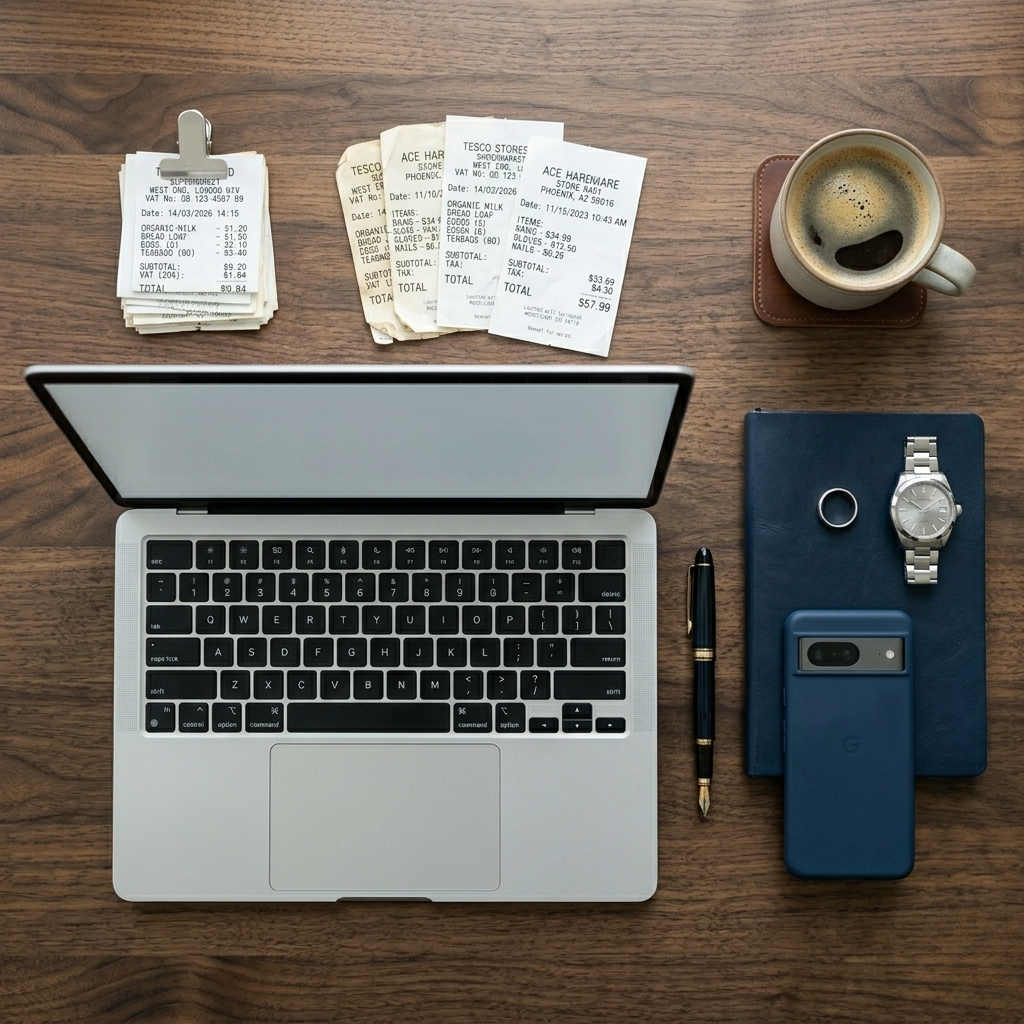
As a bookkeeper, I see firsthand how a messy "shoebox" of receipts can lead to stress. Keeping your expenses organised isn't just about being tidy—it’s about ensuring your records are accurate so that when your accountant steps in at year-end, everything is ready to go.
In this guide, we’ll look at how to manage your business expenses simply and effectively.
What is an "Allowable" Business Expense?
In the eyes of HMRC, a business expense must be "wholly and exclusively" for the purpose of your trade. This means the money you spend must be necessary for running your business.
Common examples for small businesses include:
Office Costs: Stationery, phone bills, and internet.
Travel: Train tickets, fuel for business trips, and parking (but not your commute to a regular place of work).
Stock and Materials: The raw items you need to create your product.
Professional Services: Like your bookkeeping fees!
Marketing: Website hosting, business cards, and online ads.
3 Common Expense Mistakes Small Businesses Make
Keeping track of spending can be tricky. Here are three mistakes that often cause headaches later on:
1. Mixing Personal and Business Spending
It is very tempting to use your business card for a quick grocery shop, or vice versa. However, "co-mingling" funds makes bookkeeping much harder and increases the chance of errors.
Top Tip: Always use a dedicated business bank account for every business-related penny.
2. The "Fading Receipt" Problem
We’ve all seen it—a thermal paper receipt from a petrol station that turns blank after two months. If you can’t read the receipt, you can't prove the expense.
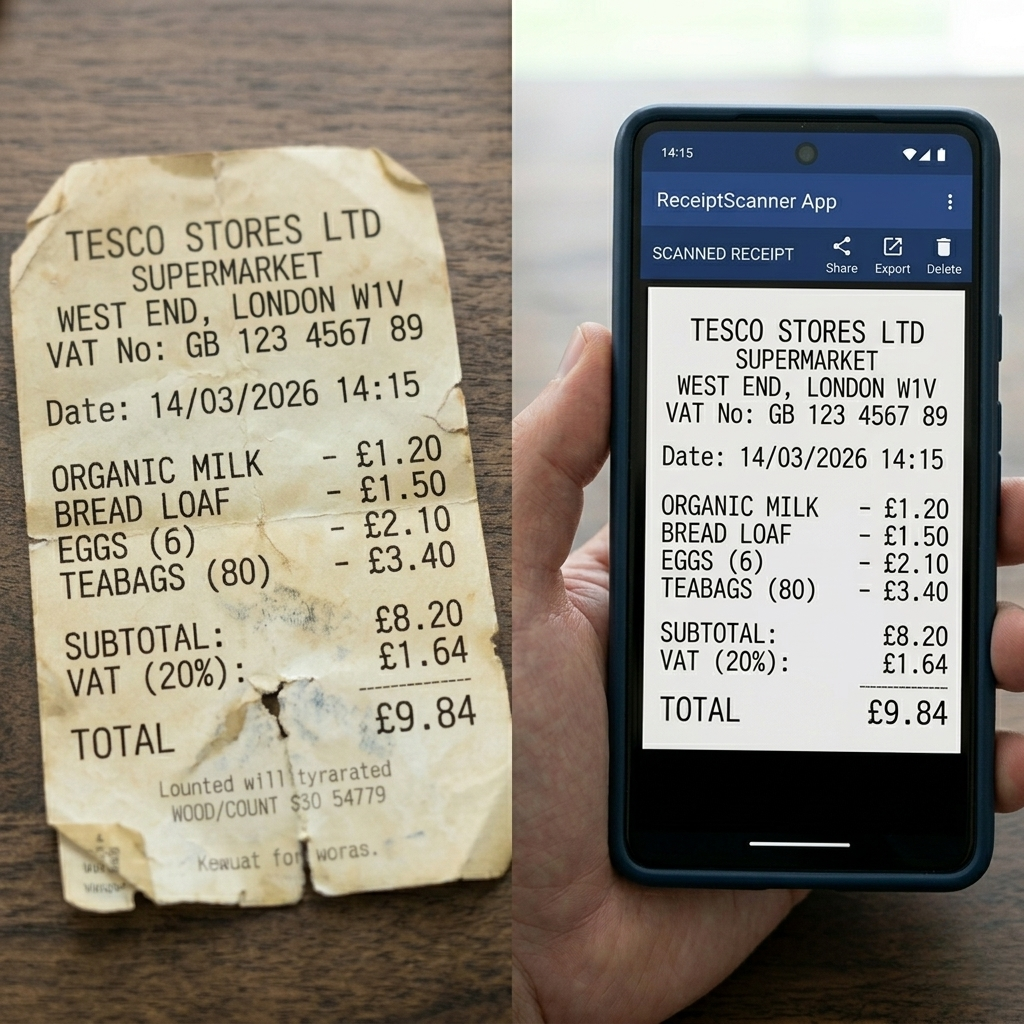
Top Tip: Snap a photo of your receipts as soon as you get them.
3. Claiming for "Dual Purpose" Items
If you buy a high-end laptop that you use 50% for work and 50% for gaming, you can usually only claim the business portion. Claiming the whole amount without a clear breakdown is a red flag for record-keeping.
4 Practical Tips to Stay Organised Immediately
You don’t need to spend hours every week on your expenses if you follow these simple steps:
1. Go Paperless
Invest in a receipt-scanning app (like Dext or Hubdoc). Most professional bookkeeping software allows you to email your receipts directly to a portal. This keeps your records digital and "accountant-ready."
2. Categorise as You Go
Don't wait until the end of the quarter. If you spend 5 minutes every Friday evening categorising your digital receipts, you’ll never face a "mountain" of paperwork again.
3. Record "Use of Home"
If you work from home, you can claim a portion of your utility bills. You don't need a complex formula; HMRC offers "Simplified Expenses" based on the hours you work from home each month. It’s a simple way to reflect the true cost of running your business.
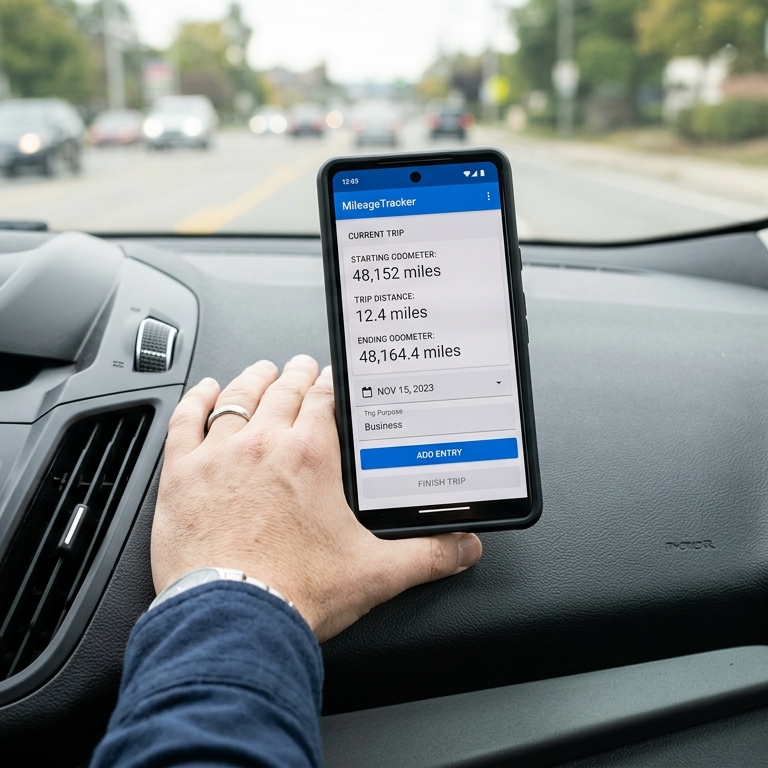
4. Keep a Mileage Log
If you use your personal car for business trips, don't guess the distance at the end of the year. Currently, HMRC allows 45p per mile for the first 10,000 miles, which adds up quickly!
How a Professional Bookkeeper Makes a Difference
You might think bookkeeping is just about data entry, but it's really about data integrity. While your accountant focuses on your tax return and high-level financial strategy, a bookkeeper ensures the day-to-day proof of your spending is solid.
We help by:
Setting up Systems: Getting you onto a digital receipt platform so you can bin the paper.
Reconciling Accounts: Matching every receipt to a bank transaction so nothing is missed.
Ensuring Compliance: Checking that your receipts meet HMRC standards (like having the VAT number visible).
Saving You Time: Taking the "admin" off your plate so you can focus on your customers.
Conclusion: Clean Books, Clear Mind
Managing your expenses doesn't have to be a chore that looms over your weekends. By staying organised and using digital tools, you protect your business and make the year-end process a breeze for your accountant.
Stop Drowning in Receipts!
Are you tired of losing track of your spending? Let’s get your business expenses under control. I help UK small businesses move from "shoeboxes" to streamlined digital systems.
Contact us today to find out how I can take the stress out of your bookkeeping!
