
The Truth About Being a Sole Trader: Understanding Your Business and the "Year End" Myth
Starting a business is an incredibly exciting journey. Whether you’re turning a side hustle into a full-time career or launching a brand-new service, that initial spark of entrepreneurship is something to celebrate. However, as the momentum builds, the legal "labels" and administrative jargon can quickly become confusing.
One of the most frequent questions we receive at Griffiths SBS is: "What does being a sole trader actually mean for me, and when should my business year end?"
There is a lot of misinformation out there, especially regarding how you and your business are linked and how HMRC views your "accounting year." As a bookkeeper, I’m here to clear up the confusion and help you build a solid foundation for your business.
In this guide, we’ll dive into the reality of being a sole trader and debunk the common myths surrounding your "Year End" dates.
1. You ARE the Business: The Legal Reality
The most important thing to understand about being a sole trader is that there is no legal "wall" between you and your work. In the eyes of the law, you and your business are one and the same. This is the simplest way to run a business in the UK, but it comes with a unique set of pros and cons.
The Perk: Total Control and Simplicity
As a sole trader, you don't have to deal with the complexities of Companies House or the rigorous reporting required for a Limited Company. You have total control over every decision, and after you’ve paid your tax and National Insurance, every penny of profit belongs to you. It is the ultimate "lean" business model.
The Risk: Unlimited Liability
Because there is no separate legal entity, you have what is known as unlimited liability. This means that if the business incurs a debt or faces a legal claim, your personal assets—including your savings, your car, or even your home—could be at risk to settle those debts.
Top Tip: Because of unlimited liability, it is even more important for sole traders to have accurate bookkeeping and professional insurance. Knowing exactly where your finances stand at any given moment is your best line of defence.
2. Can You Choose Your Own Year End? (The Myth)
Technically, the answer is yes—you can choose any date for your accounting year to end. You might feel that ending your year in December makes sense for your personal planning, or perhaps August suits your seasonal trade better.
However, choosing a date other than the traditional tax year-end isn't as flexible or simple as it used to be. This is where the "Year End Myth" often trips people up.
The Reality: Basis Period Reform
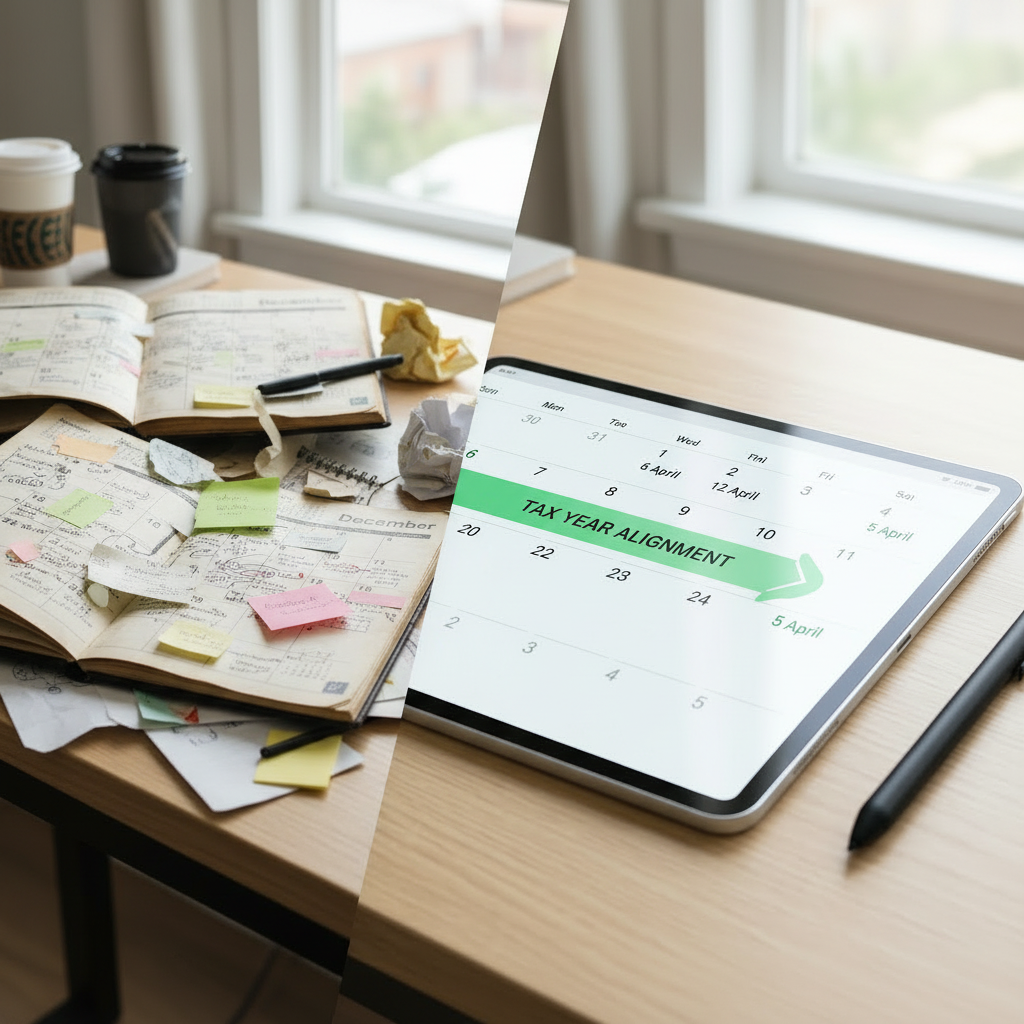
Thanks to HMRC’s recent "Basis Period Reform," the way sole traders are taxed has changed significantly. Regardless of when your "business year" ends, HMRC now taxes almost all sole traders on the profits made between 6 April and 5 April (the official tax year).
If you choose a year-end like 31 December, you no longer get to simply report your January-to-December profits. Instead, you (or your accountant) will have to perform complex calculations to "bridge" or apportion your numbers to fit into the official tax year.
Why We Recommend 31 March or 5 April
For the vast majority of small businesses, we strongly advise aligning your accounting year with 31 March or 5 April.
The 5-Day Rule: You might wonder about the gap between 31 March and 5 April. HMRC has a "Late Accounting Date" rule which means they treat any year-end between 31 March and 5 April as being the same as the end of the tax year. You don't need to worry about apportioning those final five days!
Keep it Simple: Your bookkeeping software will naturally align with the tax reports your accountant needs.
Avoid Double-Reporting: You won't have to worry about the "overlap relief" or the complex apportioning of profits that comes with a non-standard year-end.
Clarity: When you look at your "Year-to-Date" figures, you’ll know exactly how they correspond to your upcoming tax bill.
3 Common Mistakes Sole Traders Make with Their Records
Even with the simplest business structure, it is easy to fall into bad habits. Here are three mistakes that often cause headaches during the January Self-Assessment rush:
1. The "One Account" Trap
Because "you are the business," it is very tempting to use your personal bank account for everything. However, "co-mingling" funds makes bookkeeping a nightmare and increases the chance of missing valid business expenses.
Top Tip: Open a dedicated business bank account immediately. It keeps your records clean and makes your year-end much faster.
2. Ignoring "Side Hustle" Thresholds
Many people start as sole traders while still employed elsewhere. Remember, if your gross trading income is over £1,000 in a tax year, you generally need to register as a sole trader and file a tax return. Don't let this sneak up on you!
3. Estimating Expenses
HMRC requires "proof" of spending. If you estimate your costs instead of keeping receipts, you risk being overtaxed or facing penalties during an HMRC check.
4 Practical Tips for Sole Traders to Stay Organised
You don’t need to be a financial expert to stay on top of your sole trader admin. Follow these simple steps:
1. Go Digital Early
Don't wait for "Making Tax Digital" to become mandatory for you. Start using a receipt-scanning app now. It turns a mountain of paper into a searchable, digital archive that your bookkeeper can access instantly.
2. Set Aside Tax as You Go
As a sole trader, your tax isn't deducted at source like a salary. A good rule of thumb is to move 25-30% of every payment you receive into a separate "Tax Pot" savings account. This ensures you’re never caught short when the January 31st deadline hits.
3. Track Your "Use of Home"
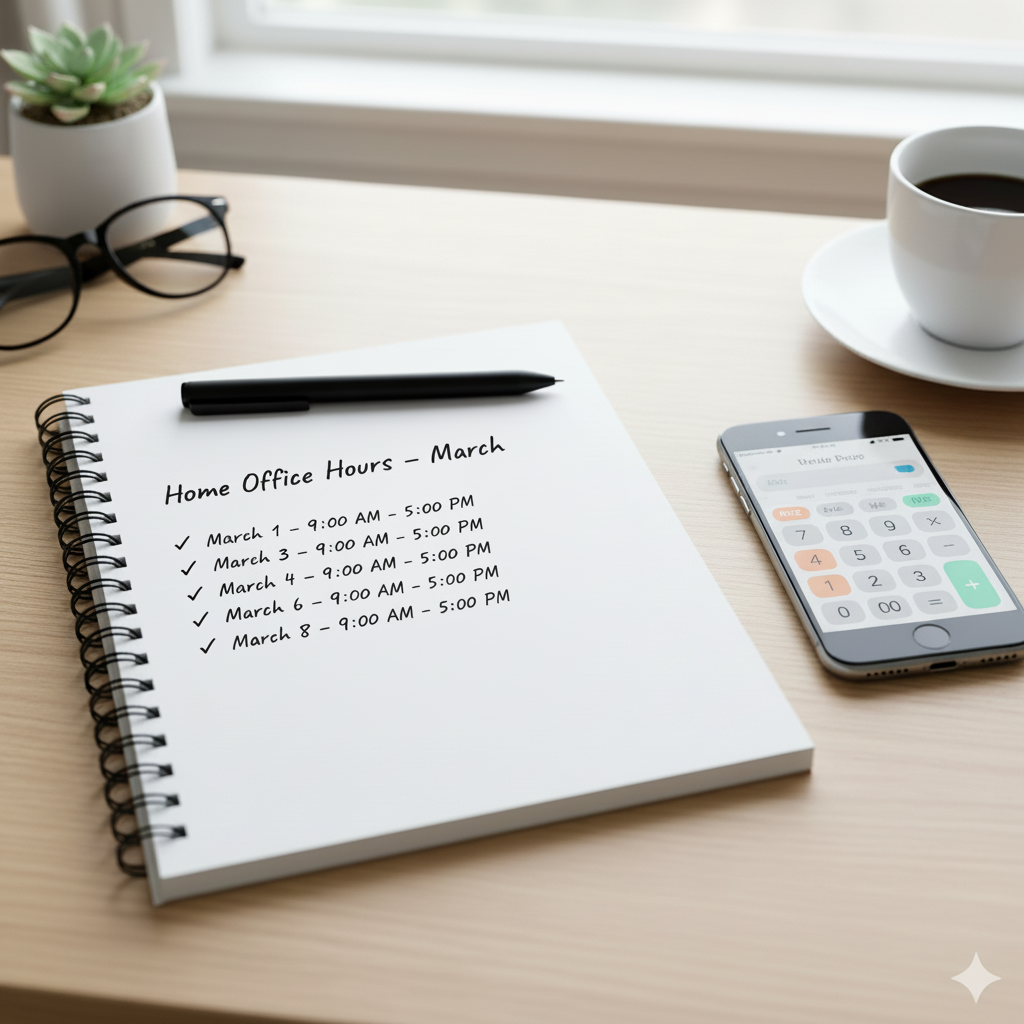
Most sole traders work from home at least some of the time. You can claim a flat rate based on the hours you work, or a proportion of your actual bills. Keeping a simple log of your hours now will save you a lot of guesswork later.
4. Review Your Profit & Loss Monthly
Don't wait until the end of the year to see if you made a profit. Checking a simple Profit & Loss report every month helps you see which parts of your business are actually making money and where you might be overspending.
How Griffiths SBS Supports Sole Traders
Being a sole trader can sometimes feel a bit lonely, especially when you’re staring at a spreadsheet on a Friday night. That’s where a professional bookkeeper comes in. We act as your "silent partner," ensuring the admin is handled while you focus on your customers.
We help by:
Setting Up Your Systems: Getting you onto the right software so you can bin the shoebox of receipts.
Managing the "Year End" Transition: We ensure your data is perfectly aligned with the 5 April deadline, making your accountant's job a breeze.
Regular Reconciliations: Matching your bank statements to your sales so you always have an accurate view of your cash flow.
Providing Compliance Peace of Mind: Ensuring your records meet HMRC standards so you can sleep soundly.
Conclusion: Simplicity is Your Superpower
Being a sole trader is a fantastic way to run a business, provided you respect the link between your personal and professional finances. By debunking the "Year End Myth" and aligning your records with the tax year, you remove a massive layer of unnecessary complexity.
Ready to Streamline Your Sole Trader Journey?
Whether you’re just starting out or looking to tidy up your current setup, Griffiths SBS is here to help you stay compliant and focused on what you do best. Let's make your bookkeeping the easiest part of your business.
Contact us today at Griffiths Small Business Services to find out how we can simplify your sole trader admin
