
The UK Small Business Guide to VAT: When to Register and How to Manage It
For many UK entrepreneurs, "VAT" is a three-letter word that brings a bit of a chill. It feels like a major administrative hurdle that signals your business is getting "serious." But while VAT does come with extra responsibilities, it’s also a sign that your business is thriving.
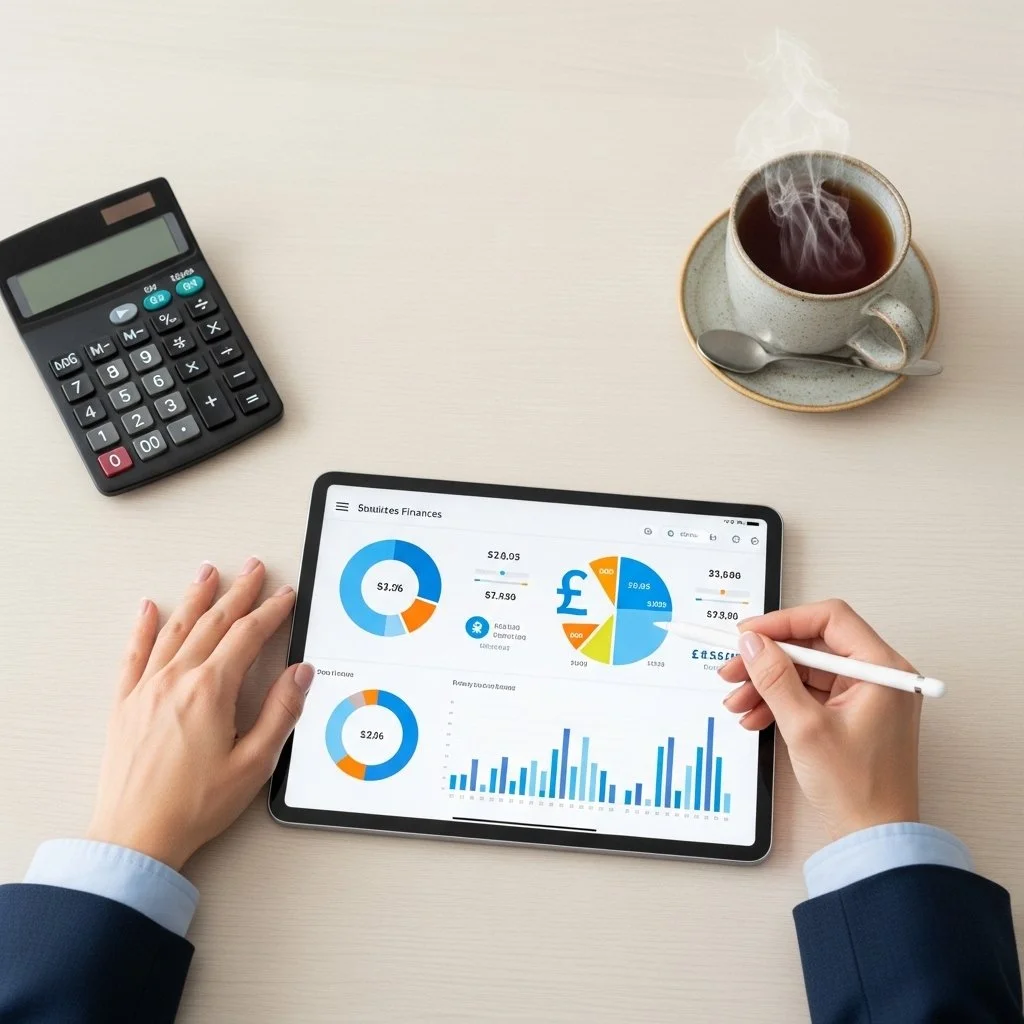
As a bookkeeper, I often see business owners panicking as they approach the registration threshold. My goal is to demystify the process. VAT isn't a "tax on you"—it’s a tax you collect on behalf of HMRC—and with the right digital systems, it can become a simple, automated part of your month-end routine.
In this guide, we’ll look at the "when, why, and how" of VAT for small businesses.
When Do You Actually Need to Register for VAT?
The most important thing to track is your VAT taxable turnover. This is the total value of everything you sell that isn't exempt from VAT.
In the UK, you must register for VAT if:
Your total VAT taxable turnover for the last 12 months goes over £90,000 (the current threshold).
You expect your turnover to go over £90,000 in the next 30 days alone.
Important Note: This is a "rolling" 12-month period, not a fixed tax year or calendar year. This means you should be checking your total sales at the end of every single month.
3 Common VAT Mistakes Small Businesses Make
VAT errors can lead to pesky surcharges and interest from HMRC. Here are the three most common slips I see:
1. Missing the Registration Window
Many owners wait until their year-end accounts are done to see if they’ve hit the threshold. By then, they might have been over the limit for months. HMRC can backdate your registration and demand VAT on all sales made since you should have registered—even if you didn't charge your customers VAT at the time!
Top Tip: Keep your bookkeeping up to date weekly so you always know your "Rolling 12-Month" total.
2. Not Having "Valid" VAT Receipts
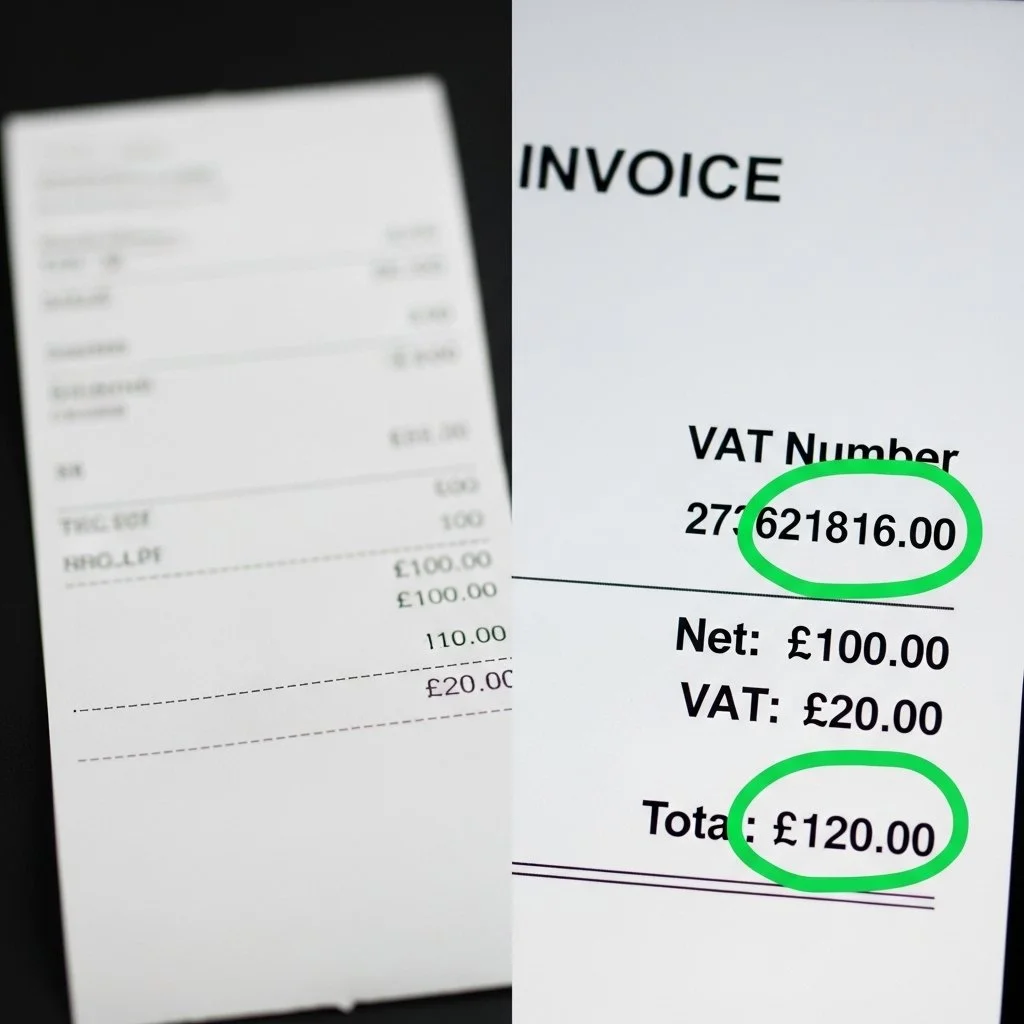
You cannot reclaim VAT on a purchase just because you know the supplier is VAT-registered. You must have a valid VAT invoice or receipt that shows the supplier's VAT number. Without it, HMRC can disallow the claim during an inspection.
3. Claiming VAT on Everything
Not everything has VAT on it. Insurance, postage stamps, and most basic food items are "Exempt" or "Zero-rated." If you accidentally claim VAT back on these items, your records won't balance, and you’ll be over-claiming from HMRC.
4 Practical Tips to Manage VAT Immediately
If you’ve just registered or are approaching the limit, these steps will save you hours of work:
1. Embrace Making Tax Digital (MTD)
Since 2022, nearly all VAT-registered businesses must follow Making Tax Digital rules. This means you must keep digital records and use MTD-compatible software (like Xero or QuickBooks) to submit your returns. It’s actually a blessing—the software does 90% of the calculation for you!
2. Choose the Right VAT Scheme
Don't just stick to the standard scheme. Some small businesses benefit from:
The Flat Rate Scheme: You pay a fixed percentage to HMRC and keep the difference (though you can't usually claim back VAT on purchases).
Cash Accounting: You only pay VAT to HMRC when your customer actually pays you. This is a lifesaver for business cash flow!
3. Set Up a "VAT Savings" Account
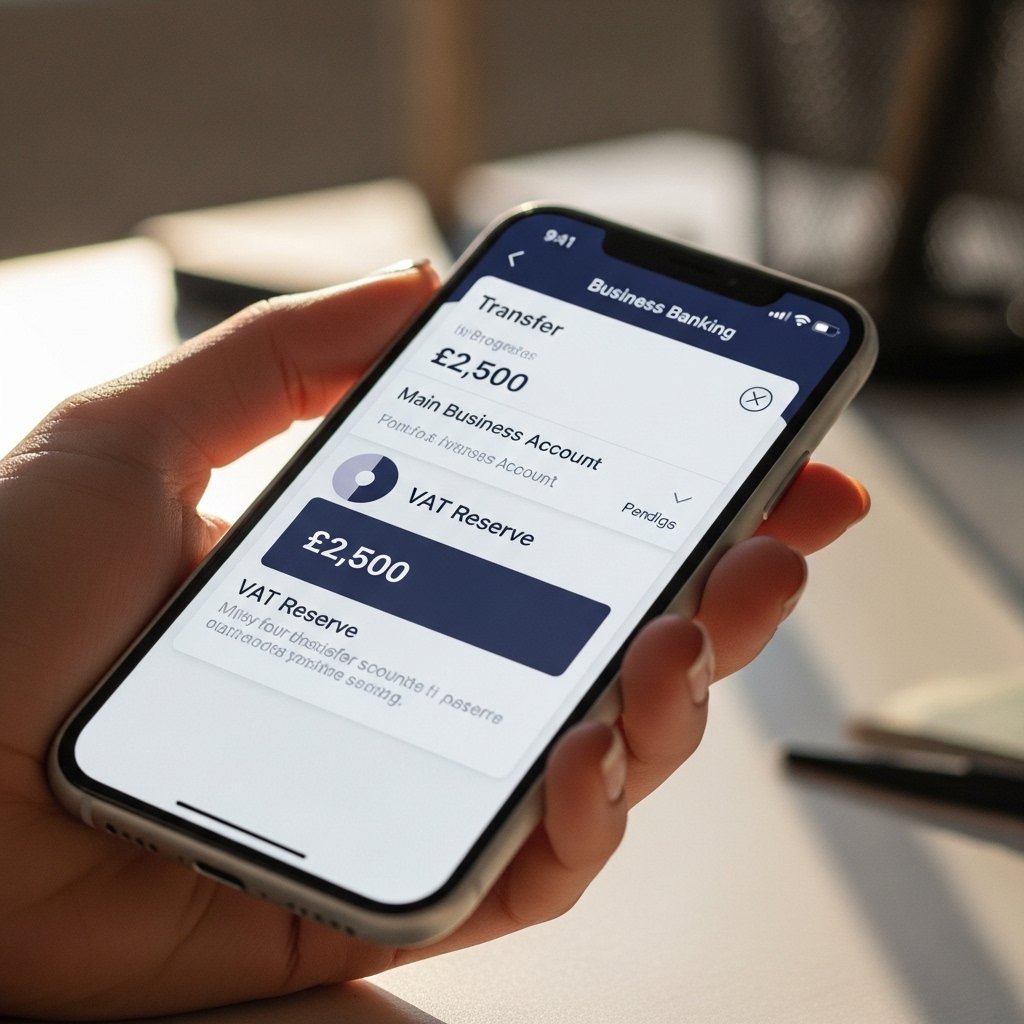
One of the biggest stresses is seeing a large bank balance and forgetting that 20% of it actually belongs to HMRC. Every time a customer pays an invoice, move the VAT portion into a separate savings account. When the VAT bill arrives, the money is already there waiting.
4. Check Your "Post-Registration" Claims
When you first register, you can often claim back VAT on goods you still have in stock (purchased up to 4 years ago) and services (purchased up to 6 months ago). This can provide a lovely initial "refund" to your business!
How Professional Bookkeeping Support Can Help
VAT returns are about more than just clicking "Submit." They are the final result of months of accurate record-keeping. A professional bookkeeper ensures that the data going into the return is perfect.
We help by:
Monitoring the Threshold: We'll alert you well in advance if you're getting close to the £90,000 limit.
Reconciling Transactions: Ensuring every purchase is matched to a valid VAT receipt so you never miss a claim.
Scheme Selection: Analysing your spending to see if a specific VAT scheme (like the Flat Rate Scheme) could save you money.
Handling HMRC Correspondence: Dealing with registration and any queries HMRC might have, so you don't have to wait on hold for hours.
Conclusion: VAT is a Milestone, Not a Burden
Reaching the VAT threshold is a moment to celebrate—it means your business is growing! By using digital tools and staying on top of your receipts, VAT becomes just another manageable task rather than a quarterly nightmare.
Don't Tackle VAT Alone!
Are you worried about hitting the threshold or struggling with your MTD submissions? At Griffiths SBS, we help UK small businesses transition into VAT registration smoothly and accurately. Let us handle the figures so you can focus on your next big milestone.
Contact us today at Griffiths Small Business Services to take the stress out of your VAT returns!
